
Why Early Learning Matters – Even If You Work From Home
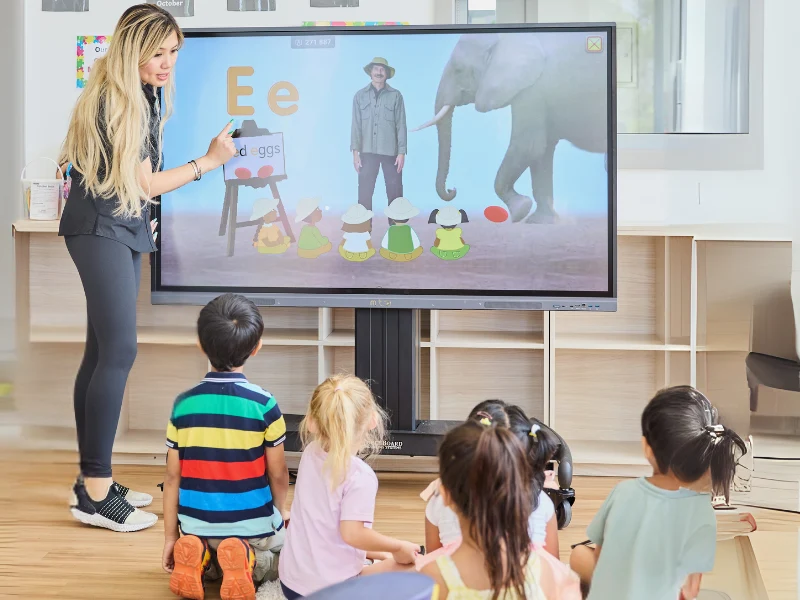
Working from home or in a hybrid role offers flexibility many parents value — being close to your child, skipping the commute, and blending work and family life under one roof. But while it sounds ideal, balancing conference calls with playtime and deadlines with naptime can quickly become overwhelming. That’s why enrolling your child in early learning or childcare isn’t just practical, it’s one of the best ways to support both your child’s development and your own wellbeing.
That’s where early learning and childcare can make a real difference, for both you and your child.
1. High-Quality Early Learning Builds School Readiness
The first five years of life are when the brain develops faster than at any other time. Around 90% of a child’s brain development occurs before the age of five¹, meaning every experience, every word, story, and interaction helps shape future learning.
Research shows that children who attend a quality early learning program are more likely to start school ready to learn, engage confidently, and perform better academically throughout their education².
At First Connections Academy for Kids, our play-based programs are intentionally designed to support early literacy, numeracy, problem-solving, and social skills — helping your child build strong foundations for lifelong learning.
Even a single year of preschool can boost early literacy and numeracy, and children who begin school ready to learn are more likely to complete Year 12 and go on to further study or training³.
2. Social and Emotional Growth
While working from home gives you more time together, it can also mean your child has fewer opportunities to interact with peers. Early learning environments encourage children to build friendships, develop empathy, and practise teamwork — skills that are just as important as reading and counting.
Children who attend quality early education are up to 40% more likely to have stronger social and emotional skills when they start school, setting them up for confidence, resilience, and healthy relationships⁴.
At First Connections, our educators support emotional wellbeing through play, group activities, and positive routines — helping children feel secure and confident in any environment.
3. Structure Supports Learning (and Parents)
Children thrive on predictable routines — and so do parents. Regular meal times, naps, group learning and outdoor play provide structure that helps children feel safe and ready to learn.
That rhythm also gives working parents the mental space to focus during the day, knowing their child is thriving in a nurturing, structured setting.
Studies have shown that children who attend early learning with consistent routines are more likely to adapt quickly to school environments, where group participation and following instructions are key.
And let’s be honest — it also means fewer interruptions during your Zoom meetings!
4. Long-Term Academic and Life Benefits
The benefits of early learning go far beyond the preschool years. Children who experience high-quality early education are more likely to achieve higher academic results, graduate from high school, and enjoy better long-term outcomes in health, employment, and wellbeing².
Early learning gives children the building blocks for success — from problem-solving and communication skills to curiosity and confidence. These skills stay with them long after they leave the classroom, helping them navigate new challenges and opportunities throughout life.
That’s not just an investment in your child’s future — it’s an investment in their lifelong love of learning.
5. It Helps Parents Thrive Too
For parents working from home or in hybrid roles, enrolling your child in early learning isn’t just about convenience — it’s about balance. It gives you focused time to meet work deadlines, take calls, and recharge, while your child is having fun, learning, and socialising in a safe environment. Access to reliable, high-quality childcare improves not only children’s outcomes but also parental wellbeing, productivity, and family relationships.
It’s a win-win: your child grows, learns, and thrives — and you can be fully present at work and at home.
Finding the Right Balance
You don’t have to choose between being a hands-on parent and supporting your career. With the right early learning environment, you can have both.
At First Connections Academy for Kids, we’re proud to offer high-quality early learning programs that nurture curiosity, creativity, and confidence — helping children reach their full potential and ensuring parents have the space to do the same.
References
1. StartingBlocks.gov.au (2025). Brain development in children.
2. Australian Institute of Health and Welfare. (2022). Australia’s children: Early childhood education and care.
3. Australian Education Research Organisation. (2022). Skills for future literacy and numeracy learning: Research summary.
4. NSW Department of Education. (2024). Benefits of early childhood education.