
Celebrating Cultural Diversity in Early Learning
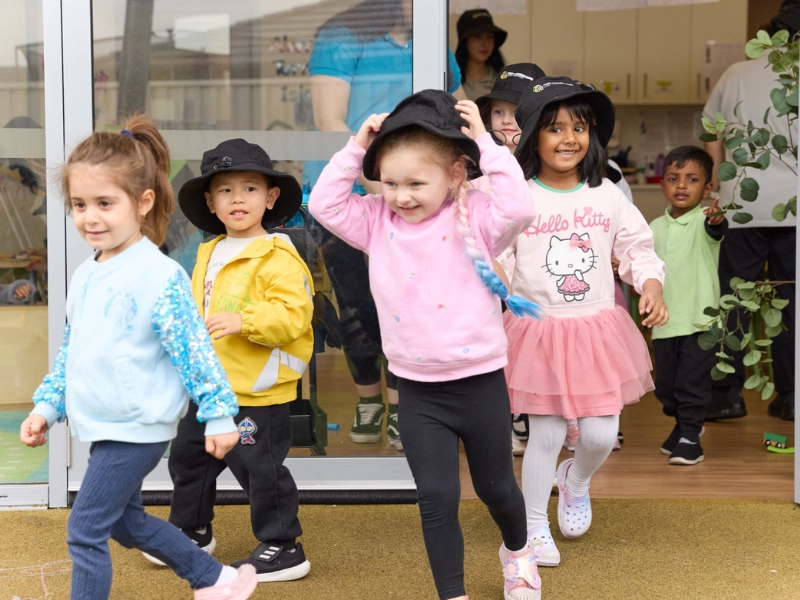
The world children grow up in is rich with different languages, traditions, foods and stories. Early childhood education is the perfect place to honour and explore that richness. For early learning centres serving diverse communities, embracing cultural diversity is not simply a nice idea. It is essential. It helps children feel seen, builds respect among peers and creates a strong foundation for empathy and inclusion that continues throughout life.
Why Cultural Diversity Matters in Early Learning
Early childhood is a time when children begin to understand themselves and the world around them. When diversity is celebrated in their learning environment, children experience a positive sense of identity and belonging. They see their own culture reflected and represented which strengthens pride and confidence. They also learn from an early age that differences in skin tone, language, appearance and traditions are valued. This early acceptance supports empathy, respect and open-minded thinking as children interact with peers from many backgrounds.
Culturally responsive early learning helps children develop respect for difference, positive self-esteem and strong social awareness. Educators who embrace cultural competence and invite children to share their backgrounds play an important role in shaping inclusive attitudes from the earliest years. This type of environment also strengthens community connections. When families see their cultures represented and celebrated in the centre, it builds trust and a sense of belonging for both children and adults.
Benefits for Children and Families
• Empathy and social skills: Children who interact with peers from a variety of cultural backgrounds learn to communicate respectfully and understand the feelings of others. Early exposure to different ways of thinking and living encourages kindness and cooperation.
• Cultural identity and self-esteem: When children from culturally and linguistically diverse backgrounds see their traditions, songs and stories included in the centre curriculum, it validates their identity and strengthens pride in who they are.
• Broader worldview and cognitive growth: Exposure to many languages, celebrations, foods, music and art helps children make sense of the world in a rich and meaningful way. This variety supports curiosity and flexible thinking which are important for success in multicultural communities.
• Stronger family and centre partnerships: When families are encouraged to share their traditions through food, stories, clothing, languages or cultural objects, they become active contributors to the learning environment. This creates strong relationships between families and educators and fosters a welcoming community.
How to Celebrate Diversity in Everyday Early Learning
Celebrating culture should not be limited to special days on the calendar. It can be woven into daily interactions, routines and learning experiences.
• Include diverse books, music, art and stories. Offer picture books and storytelling that reflect many languages, family structures and traditions. Provide art experiences inspired by a range of cultures.
• Celebrate a variety of cultural events and holidays such as Lunar New Year, Diwali, Eid and NAIDOC Week along with other significant community celebrations. This gives children meaningful opportunities to learn about different customs.
• Invite families to share their traditions. Encourage parents and caregivers to contribute recipes, songs, languages or cultural items to support learning and strengthen community connections.
• Create inclusive and culturally reflective classroom environments. Include diverse dolls, toys and artwork, and use greetings or simple words from many languages.
• Encourage respectful conversations about similarities and differences. Help children talk about what makes each person unique and why kindness and respect matter.
Cultural diversity is one of the greatest strengths of an early learning community. When children see many cultures and traditions honoured and celebrated, including their own, they learn that differences are something to value. Celebrating diversity builds belonging, connection and confidence and helps children grow into empathetic and inclusive individuals.
At First Connections, we proudly value every child’s background and create environments where cultures are celebrated, families are welcomed and every child feels they belong.